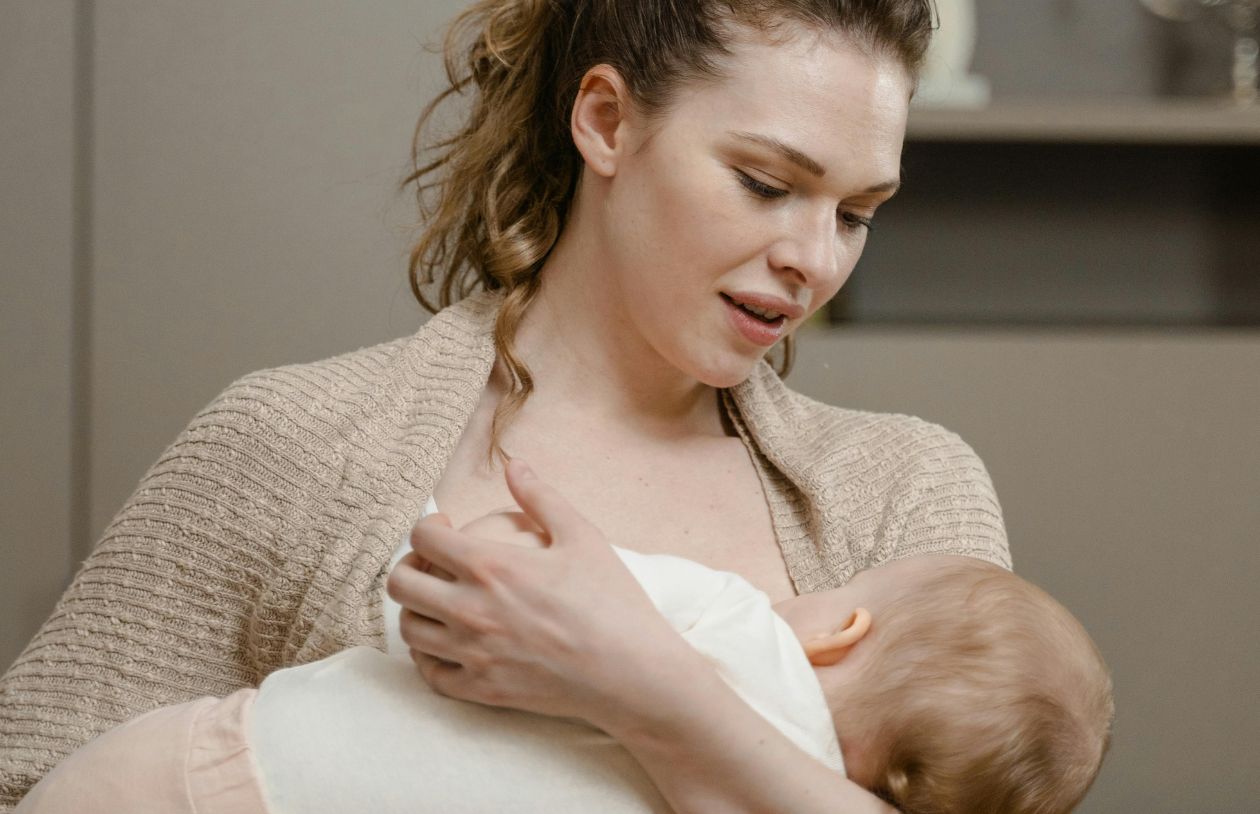
A UH nursing researcher has developed the Lactation Psychological Needs Scale providing a new way to measure the psychological experience of breastfeeding.
Breastfeeding has long been seen as a powerful way to nurture a newborn’s health, yet many new moms struggle to continue, often due to overlooked psychological challenges. To better understand this, Kelsie Barta, an assistant professor of nursing at the Andy & Barbara Gessner College of Nursing, has created a scale that measures whether lactating mothers’ psychological needs are being met, providing a tool to improve both breastfeeding outcomes and postpartum well-being.
This latest research is part of a growing body of Barta’s work on lactation science that reflects the University of Houston’s commitment to addressing critical health challenges.
Based on the psychological Self Determination Theory, which suggests that people have three basic needs (autonomy, competence and relatedness), Barta developed the Lactation Psychological Needs Scale providing a new way to measure the psychological experience of breastfeeding.
It fills a big gap
Few SDT-derived instruments related to breastfeeding exist, and none examine the three needs in concert.

Self Determination Theory, which suggests that people have three basic needs (autonomy, competence and relatedness). Image credit: U3114726, “Self Determination Theory” CC BY-SA 4.0 via Wikimedia Commons
“The aim of this study was to develop and preliminarily validate an instrument measuring lactation-related psychological need satisfaction,” reports Barta in the Journal of Human Lactation.
“Human flourishing cannot occur when the satisfaction of any or all basic psychological needs is thwarted. The notion that complete well-being cannot happen if only some of the needs are met (i.e., competence without autonomy) might explain why the existing lactation paradigms do not yield optimal results.”

Kelsie Barta
Assistant professor of nursing at the Andy & Barbara Gessner College of Nursing
According to the U.S. Department of Health and Human Services Healthy People 2030 initiative, rates of breastfeeding exclusivity and duration continue to fall short of targets:
- 24.9% (target 42.4%) of infants exclusively breastfeeding at six months
- 35.9% (target 54.1%) breastfeeding at 12 months.
- Additionally, a recent study showed that fewer than half (47%) of low-income women in the nation, who intended to exclusively breastfeed, were doing so at one-month postpartum.
Barta developed the scale based on a literature review and refined it based on content validity testing. She conducted an online cross-sectional survey with more than 600 lactating moms.
Interestingly, she found that when all three needs are satisfied — reflected in higher scores on her scale — exclusive breastfeeding is more likely to persist.
“While further validation is required, the results of this study provide preliminary psychometric support for the novel instrument. Self-determination theory provides an opportunity for a new paradigm in understanding behavior and well-being among lactating individuals,” said Barta.
“Nurses play a key role in supporting breastfeeding. Dr. Barta’s new tool can help nurses and other providers in planning care and support for psychological satisfaction.”

Kathryn Tart
RN and founding dean of the Gessner College of Nursing
For eight years Barta has been an International Board-Certified Lactation Consultant and has published and presented on ethical communication strategies about breastfeeding in the early postpartum period, about physicians’ attitudes and knowledge about breastfeeding and lactation consultants and about implementing blood pressure screening into a lactation practice.