Doctoral Progam in Exercise Physiology

Ph.D. in Kinesiology with an emphasis in Exercise Physiology

The Laboratory of Integrative Physiology (LIP) faculty have expertise in exercise, inflammation, immunology, and vascular function. Using cutting-edge research techniques and both human and animal studies, we answer scientific questions relating to aging, cancer, and other chronic diseases like atherosclerosis, diabetes, and Alzheimer’s disease.

Our faculty and students are members of the American College of Sports Medicine, American Physiological Society, International Society of Exercise Immunology, Psychoneuroimmunology Research Society, and the American Association of Immunologists. Our students often attend scientific meetings and have won scholarship and recognition for their presentations.

Exercise Physiology Faculty

Dr. Heather Caslin

Dr. Heather Caslin


My academic training and research expertise intersect the fields of immunology, metabolism, and exercise physiology. Broadly, I am interested in how immune cells affect systemic metabolism and how cell bioenergetics affect immune cell function. Specifically, I am interested in how different forms of weight gain and weight loss affect innate immune cells and ultimately cardiovascular and immunological diseases.  

Full profile and publications


Dr. Emily LaVoy

Dr. Emily LaVoy


My research focuses on understanding how physical fitness and exercise impact the immune system. My long-term goal is to understand how physical fitness and exercise can improve diseases and conditions associated with immune dysregulation, such as cancer. I am also interested in how physical fitness and exercise can mitigate the impact of stress on the immune system. My lab answers these research questions using both human and animal models.

Full profile and publications

   
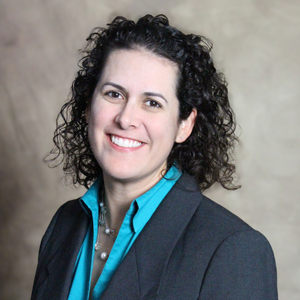
Dr. Melissa Markofski

Dr. Melissa Markofski


Broadly, Dr. Markofski’s research supports the global hypothesis that exercise prevents chronic diseases by keeping inflammation low and immune and skeletal muscle function high—especially as we age. She is particularly interested in the role of exercise in supporting recovery from cancer treatments.

Dr. Markofski is actively seeking motivated doctoral applicants interested in addressing this hypothesis. Strong candidates will have an interest in at least two of the following: exercise physiology, skeletal muscle, immunology, systemic inflammation, or cancer biology. Depending on the specific project, trainees receive comprehensive, hands-on mentorship in exercise testing, human subject interventions, immunological assays, and translational research.

Full profile and publications

   
Yoonjung Park, Ph.D.

Dr. Yoonjung Park


Research efforts focused on 1) Investigating the role of physical activity and exercise training in preventing or ameliorating vascular dysfunction in pathophysiologic conditions such as obesity, type 2 diabetes, ischemic heart disease, hypertension, aging (Alzheimer), microgravity, etc. and 2) Elucidating the mechanisms in which vascular function is altered by the sequelae of the diseases and physical activity/exercise training at the molecular, cellular, and intact tissue levels (isolated intact microvessels).

Full profile and publications


Learn more about the The Laboratory of Integrative Physiology (LIP) at UH