Annual Chemical Biology Interdisciplinary Program Conference
Join us for the first annual Chemical Biology Interdisciplinary Program Conference on December 5, bringing together researchers from across disciplines to explore cutting-edge advances at the interface of chemistry and biology.
We are thrilled to host an outstanding lineup of invited speakers:
- Dr. Zachary Ball (Rice University)
- Dr. Calla Olson (Baylor College of Medicine)
- Dr. Ken Hsu (University of Texas at Austin)
This event will feature talks, posters, and opportunities for networking and collaboration across the chemical biology community.
We look forward to seeing you there as we celebrate the launch of this new interdisciplinary program!
Conference Details
Date & Time
Friday October 5, 2025
8:30 AM – 4:35 PM
Location
University of Houston
University of Houston Science Center (HSC), Room 102
3369 Cullen Blvd
Houston, TX 77204
Parking
UH Stadium Visitor Garage
3874 Holman St
Houston, TX 77204
- 8:30 – 9:00 AM
- Registration
- 9:10 – 9:15 AM
- Welcome and Introduction: Mehmet Sen
- Morning Session Convener: Patrick Cirino
- 9:15 – 10:15 AM
- Opening Talk: “There’s something special about pyroglutamate: catalytic approaches to PTM-selective chemistry”, Zachary Ball (Rice University)
- 10:15 – 11:15 AM
- Second Talk: “Unlocking Difficult Target Classes: New Approaches to Achieve Selective Therapeutics”, Calla Olson (Baylor College of Medicine)
- 11:20 AM – 12:30 PM
- Poster Session and Networking
- 12:30 – 1:30 PM
- Lunch and Poster Viewing
- Afternoon Session Convener: Thomas Hanigan
- 1:30 – 1:45 PM
- Trainee Talk 1: “Exploiting OXA1L as a Collateral Vulnerability in Lung Cancer”, Wissarut Wijitrmektong (Hanigan Lab, University of Houston)
- 1:45 – 2:00 PM
- Trainee Talk 2: “Full-Length Context Disrupts Folding of IgG-Binding Domains of Protein A”, Kosar Rahimi (Zerze Lab, University of Houston)
- 2:00 – 2:45 PM
- Third Talk: “Chemical Biology of the Ubiquitin System”, Alex Statsyuk (University of Houston)
- 2:45 – 3:00 PM
- Coffee and Tea Break
- 3:00 – 3:45 PM
- Fourth Talk: “Abiotic Catalysis for Life: A Report on Our 10+ Year Journey”, Loi Do (University of Houston)
- 3:45 – 4:30 PM
- Fifth Talk: “Stabilizing Protein Complexes in Cells Using Covalent Molecular Glues”, Ken Hsu (University of Texas at Austin)
- 4:30 – 4:35 PM
- Closing Remarks: Tai-Yen Chen
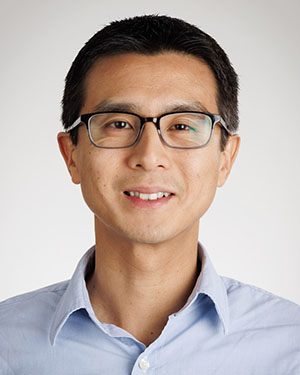
Loi Do
Mary B. Bean Professor of Chemistry, University of Houston
Title: Abiotic Catalysis for Life: A Report on Our 10+ Year Journey
Abstract: Although enzymes have evolved over millions of years to achieve specific cellular functions, chemists must rely on the synthetic toolbox to create abiotic catalysts from the ground up. In this presentation, we will describe our decade-long effort to develop small-molecule intracellular metal catalysts (SIMCats) that can interface with biological systems. The key discovery that sparked our research was the finding that half-sandwich Ir picolinamidate complexes could catalyze the reduction of aldehydes to alcohols in living cells, which was surprising given that other structurally similar Ir complexes were incapable of doing so. Since then, we have learned how to engineer these Ir SIMCats with additional functions, such as H2O2 production, cell tracking, and subcellular targeting, while maintaining their catalytic performance. Understanding the Ir SIMcats’ properties allowed us to exploit them for therapeutic applications. For example, we have shown that they are highly effective as detoxification agents against reactive aldehyde species, which are cytotoxic compounds that are implicated in numerous human diseases (e.g., cardiovascular disease, neurodegenerative disorders, and cancer). To expand the capabilities of our Ir SIMCats even further, we have developed the first selective method to convert aldehydes to primary amines in living cells using an Ir-promoted reductive amination strategy. We will discuss how these latest advances will open new research opportunities by offering unprecedented ways to manipulate biological systems. Based on our 10+ year journey in bioorganometallic chemistry, we believe that much is yet to be explored at the chemistry-biology interface and many more surprises are likely to emerge along the way.
Loi Do obtained a B.S. in Chemistry/Biochemistry at the University of California, San Diego where he conducted undergraduate research with Prof. Seth M. Cohen on supramolecular chemistry. He completed a Ph.D. under the tutelage of Prof. Stephen J. Lippard, working on synthetic diiron protein modeling chemistry, and then conducted postdoctoral training with Prof. John E. Bercaw at the California Institute of Technology, where he investigated the mechanism of selective ethylene trimerization by homogeneous chromium complexes. Loi joined the faculty in the Department of Chemistry at the University of Houston in September 2013 and was promoted to Associate Professor with tenure in 2019 and Professor in 2024. He was named the Mary. B. Bean Professor of Chemistry in 2025.
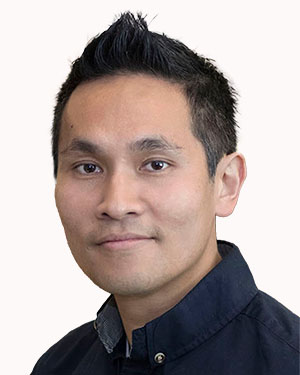
Ken Hsu
Associate Professor of Chemistry, University of Texas at Austin
Title: Stabilizing Protein Complexes in Cells Using Covalent Molecular Glues
Abstract: We discovered a covalent GSTP1 inhibitor that functions as a molecular glue via a ligand-induced protein tethering (LIPT) mechanism. Electrophilic modification of GSTP1 induces reversible disulfide-dependent protein-protein interactions enriched in nuclear and splicing factors. LIPT relocalizes splicing factors, altering lipid metabolism and suppressing proliferation in LIPT-sensitive cancer cells. These findings highlight covalent molecular glues as a strategy to modulate neo-PPIs and cancer metabolism.
Prof. Ku-Lung (Ken) Hsu is a CPRIT Scholar and the Stephen F. and Fay Evans Martin Endowed Associate Professor in the Department of Chemistry. His group develops covalent probes and inhibitors for investigating protein and lipid activity using a combination of organic, bioanalytical, and bioorganic chemistry.
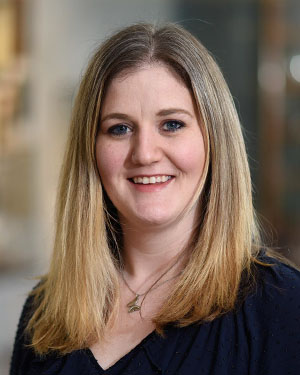
Calla Olson
Assistant Professor, Department of Biochemistry and Molecular Pharmacology, Baylor College of Medicine
Title: Unlocking Difficult Targets Classes: New Approaches to Achieve Selective Therapeutics
Dr. Calla Olson leads a multidisciplinary team dedicated to advancing therapeutics targeting RNA processing machinery. Her group employs a selectivity-driven, platform-based strategy to develop first-in-class inhibitors for underexplored RNA-binding protein families. During her postdoctoral training with Dr. Nathanael Gray, she designed selective chemical probes that remain widely used as tool compounds in the field. Since joining the Therapeutic Innovation Center (THINC) in 2018, Dr. Olson has risen to Director of Chemical Biology, driving programs from intellectual property to preclinical development. Her research integrates chemical biology, biochemistry, and biophysics to bridge fundamental discovery with translational impact—expanding the therapeutic landscape in RNA biology.
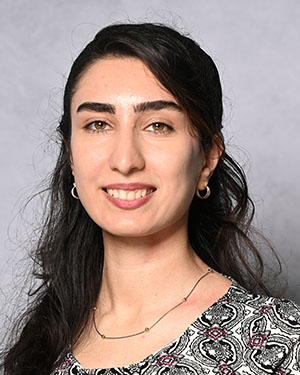
Kosar Rahimi
Ph.D. Candidate in Chemical Engineering, University of Houston
Title: Full-Length Context Disrupts Folding of IgG-Binding Domains of Protein A
Kosar Rahimi is a Ph.D. candidate in the Chemical Engineering program at the University of Houston, conducting her research in Dr. Gül H. Zerze’s Computational Biomolecular Science Lab. Her work centers on atomistic molecular dynamics and advanced sampling methods to uncover the structural and functional behavior of complex biomolecular systems, including multidomain proteins, intrinsically disordered proteins, and protein-RNA interactions. She received her B.Sc. and M.Sc. in Chemical Engineering from Sharif University of Technology before joining UH in 2021. Kosar’s work has been recognized with multiple awards, including from the American Institute of Chemical Engineering (AIChE) PD2M Division and the Welch Crystallization Center Symposium. Her research aims to advance physics-based understanding of biomolecular mechanisms relevant to therapeutic applications.
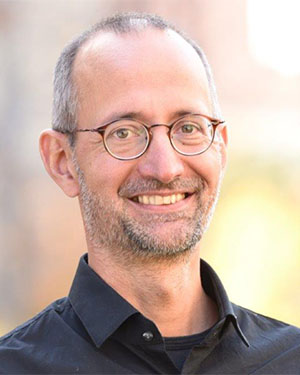
Quentin Vicens
Assistant Professor of Biochemistry, University of Houston
Research in the Vicens lab focuses on molecular insights into RNA function and modulation. Key areas include the recognition of left-handed Z-RNA and its link to auto-immune diseases and cancer. Special interests also include the structural basis of RNA processing mechanisms, as well as developing advanced prediction of RNA structure & dynamics. The team has recently co-developed RNAhub.org, an automated computational pipeline for searching and aligning RNA homologs to detect conserved secondary structures.

Wissarut Wijitrmektong
Hanigan Lab, University of Houston
Title: Exploiting OXA1L as a Collateral Vulnerability in Lung Cancer
Abstract: Copy number alterations (CNAs) collaterally disrupt the expression of thousands of druggable metabolic enzymes in chromosomal proximity to validated cancer causing genes during tumor initiation and progression, presenting novel therapeutic opportunities for precision oncology. Specifically, loss of heterozygosity (LOH) at chr14q11-13 occurs in 12–22% of lung cancers, impacting the allelic balance of the essential mitochondrial insertase OXA1L (chr14q11). As OXA1L is polymorphic in ~30% of humans, selective inhibition of the remaining allele in cancers with chr14q LOH should be lethal to tumors while sparing normal heterozygous tissue. Screening a photoreactive probe library, we identified small molecules targeting wild-type OXA1L that are selectively lethal in a subset of human lung cancer cell lines. Using chemical proteomics and competitive photolabeling, we aim to optimize the allele selectivity of these compounds and validate this therapeutic strategy through monoallelic knockout experiments. Together, these studies will establish a foundation for developing allele-selective OXA1L inhibitors as a new class of precision therapeutics for cancers with chr14q LOH.
Conference Registration
Register to attend the first annual Chemical Biology Interdisciplinary Program Conference below.
Register NowCo-Organizers
- Mehmet Sen, Department of Biology & Biochemistry
- Tai-Yen Chen, Department of Chemistry
- Thomas Hanigan, Department of Pharmacological and Pharmaceutical Sciences
- Patrick Cirino, William A. Brookshire Department of Chemical and Biomolecular Engineering