About the Institute

Muscle loss due to aging and inactivity as well as the muscle-wasting syndrome cachexia in cancer and chronic heart failure have significant impacts on life expectancy and quality of life. In addition, muscle mass loss plays a critical role in the development of metabolic disorders, such as diabetes and obesity, and muscle wasting and cardiomyopathy are common manifestations of many genetic and other muscle disorders, including inherited myopathies and muscular dystrophies. The Institute of Muscle Biology and Cachexia (IMBC) at the University of Houston College of Pharmacy was established to address the critical needs of basic and translational research on muscle biology and development of new drugs for prevention of cachexia and muscle wasting in various disorders.

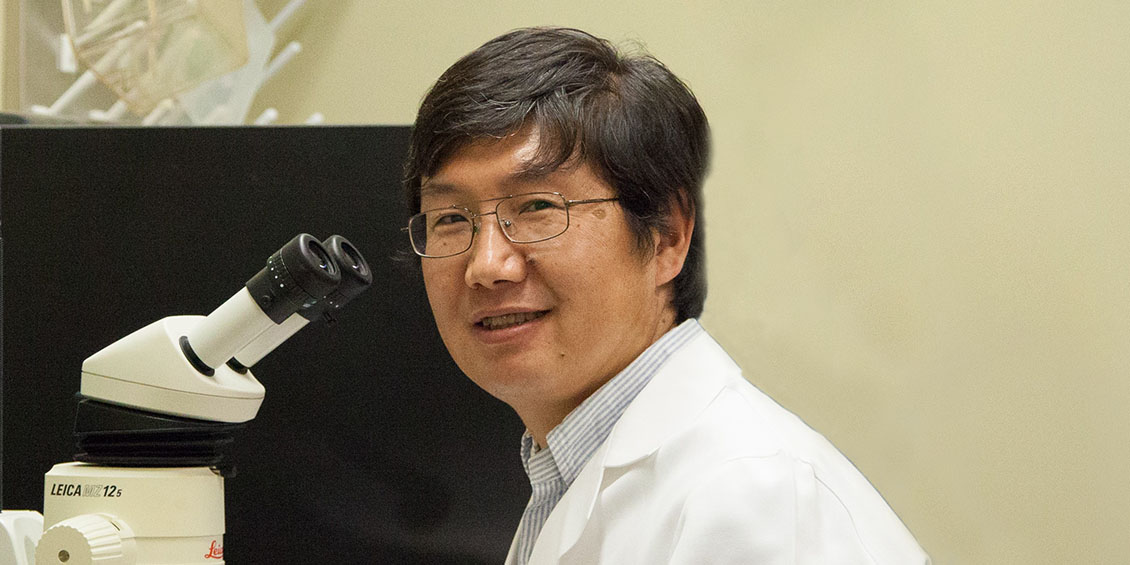
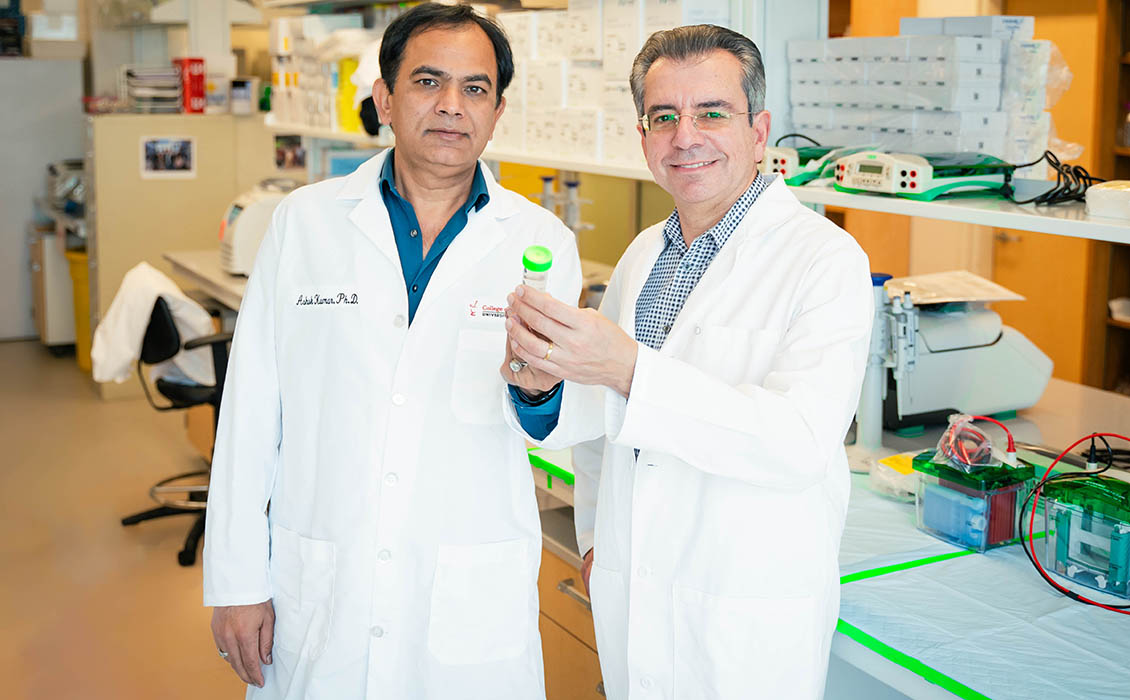
kumar and darabi in lab

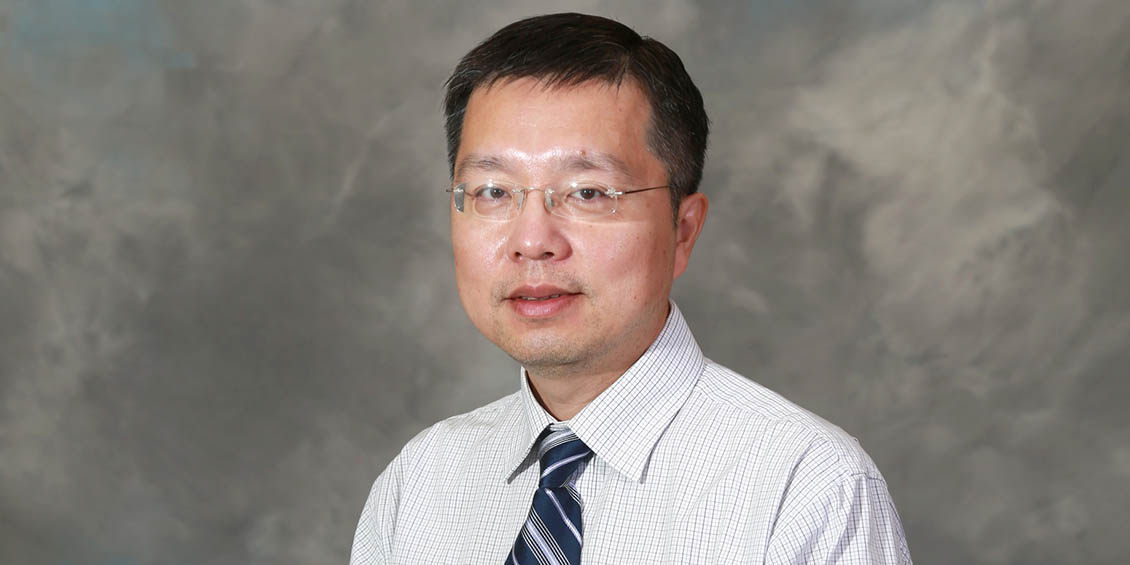
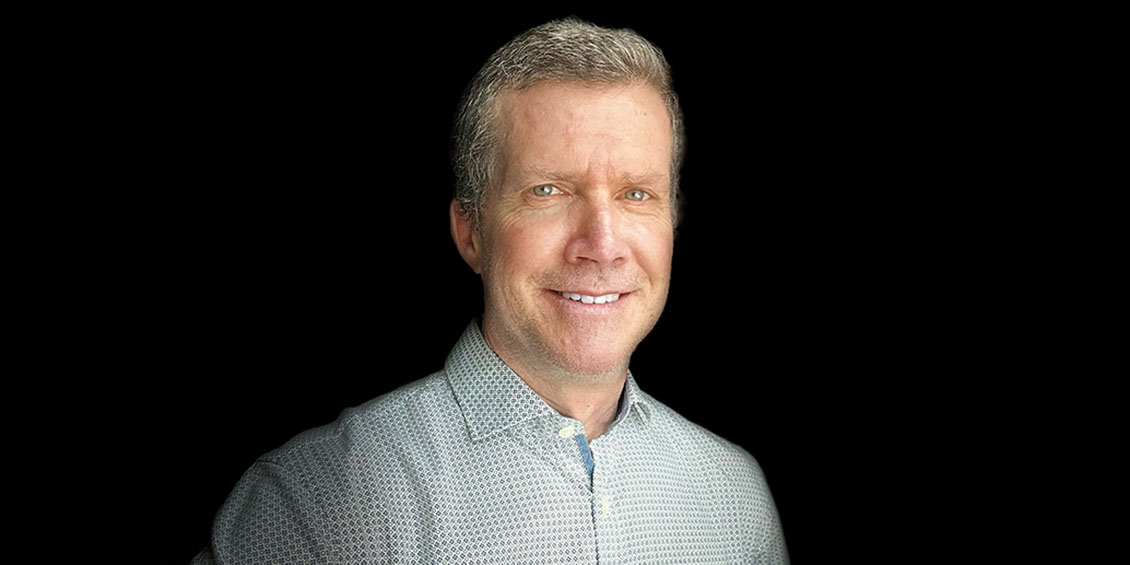
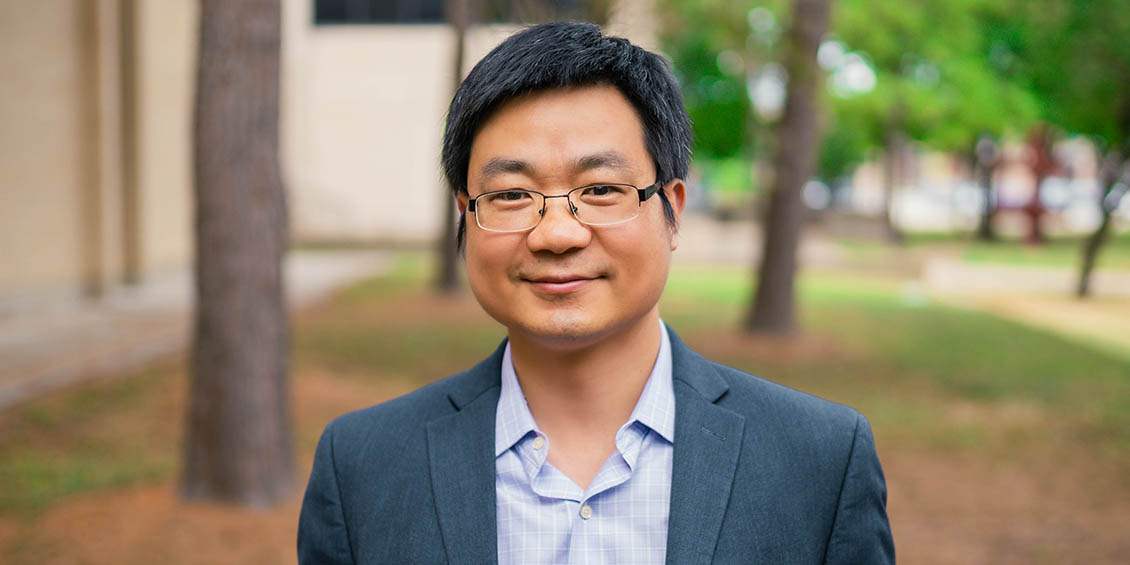
Institute Team

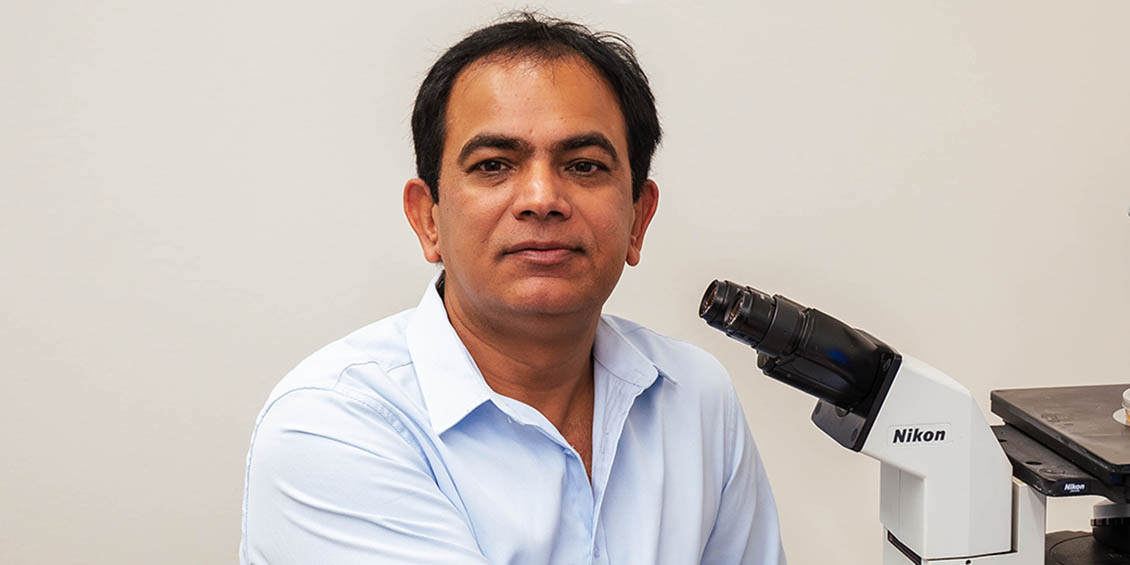
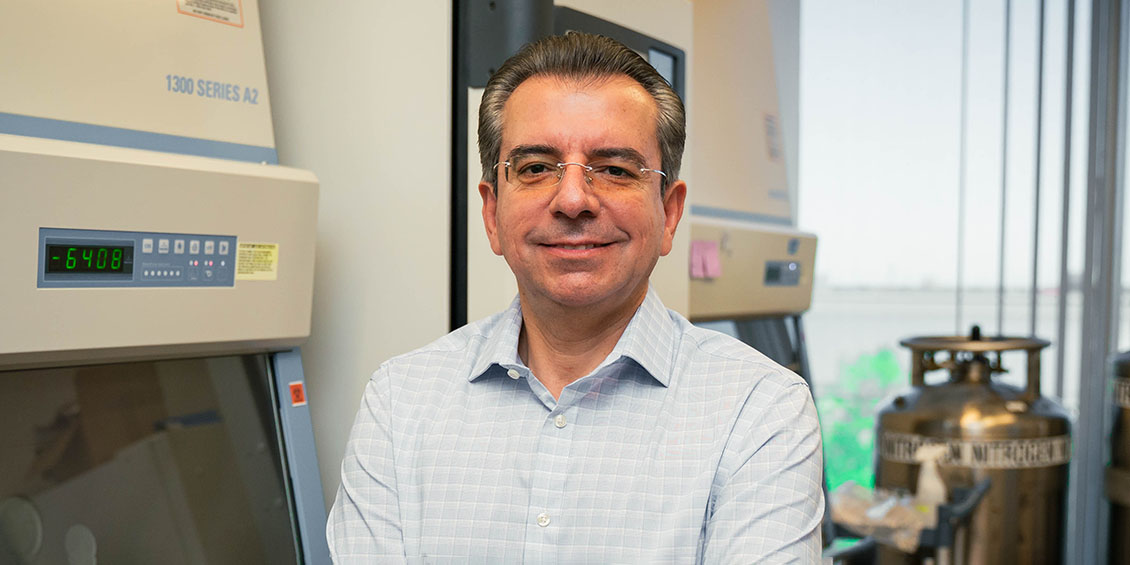
The IMBC is the first institute at UH dedicated to research and education on muscle biology, cachexia, and neuromuscular disorders. The institute is led by Director Ashok Kumar, Ph.D., and Associate Director Radbod Darabi, M.D., Ph.D., National Institutes of Health-supported researchers whose work has been published in such journals as Cell Stem Cell, Cell Reports, Journal of Clinical Investigation, Science Signaling, Nature Medicine and Nature Communications. The IMBC's multidisciplinary membership comprises well-known researchers in the fields of skeletal and cardiac muscle, cancer, and neuromuscular disorders.

The IMBC's dual mission includes performing innovative and impactful research on muscle biology and cachexia and fostering the next generation of scientists. The educational component of IMBC aims to provide research training to undergraduate and graduate students and post-doctoral fellows as well as mentorship to early-stage investigators and junior faculty.
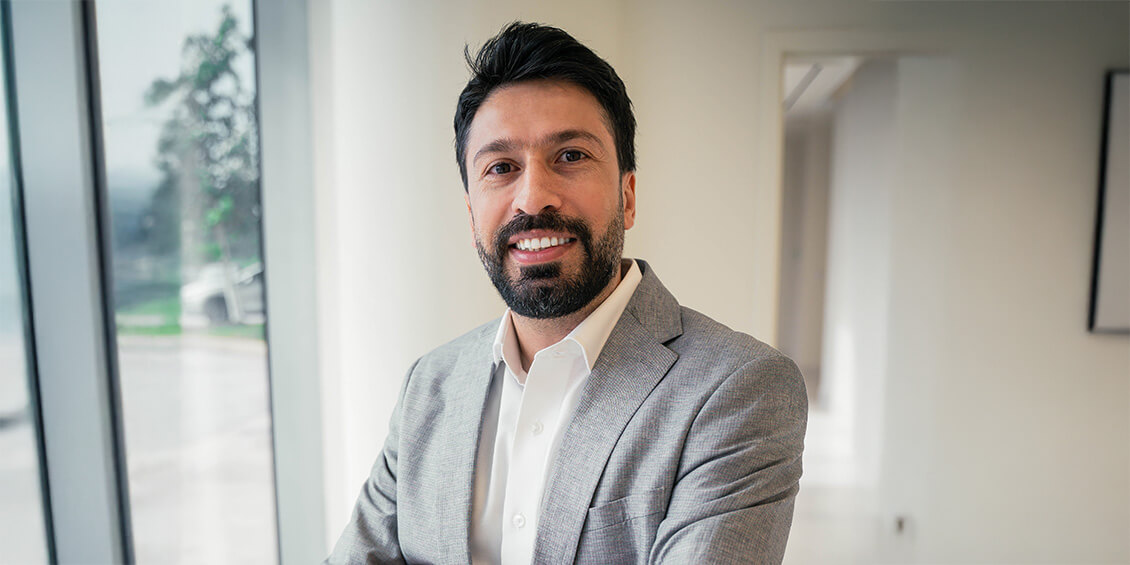
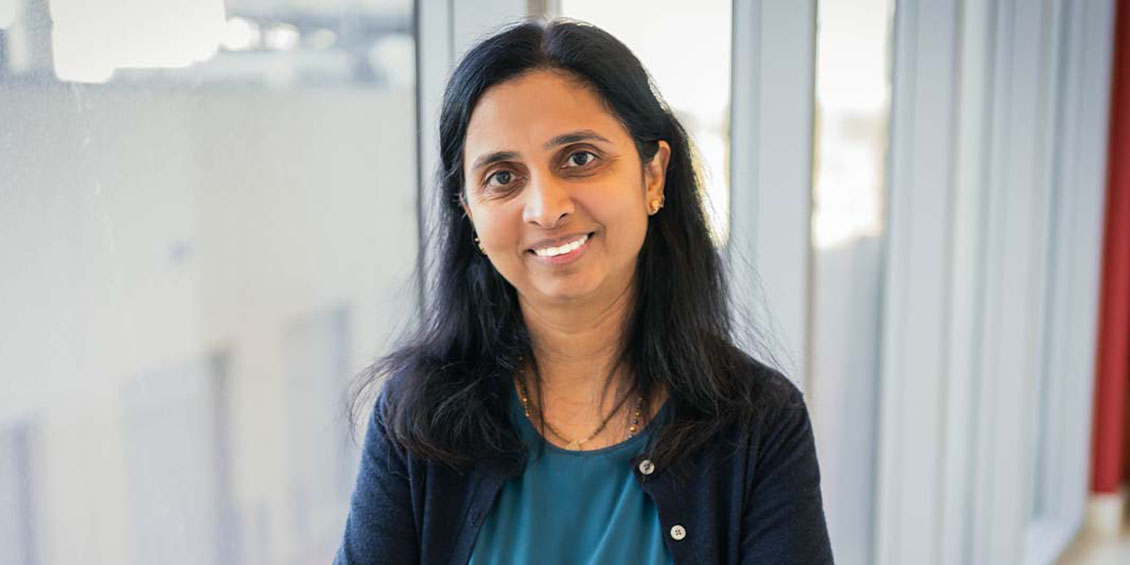
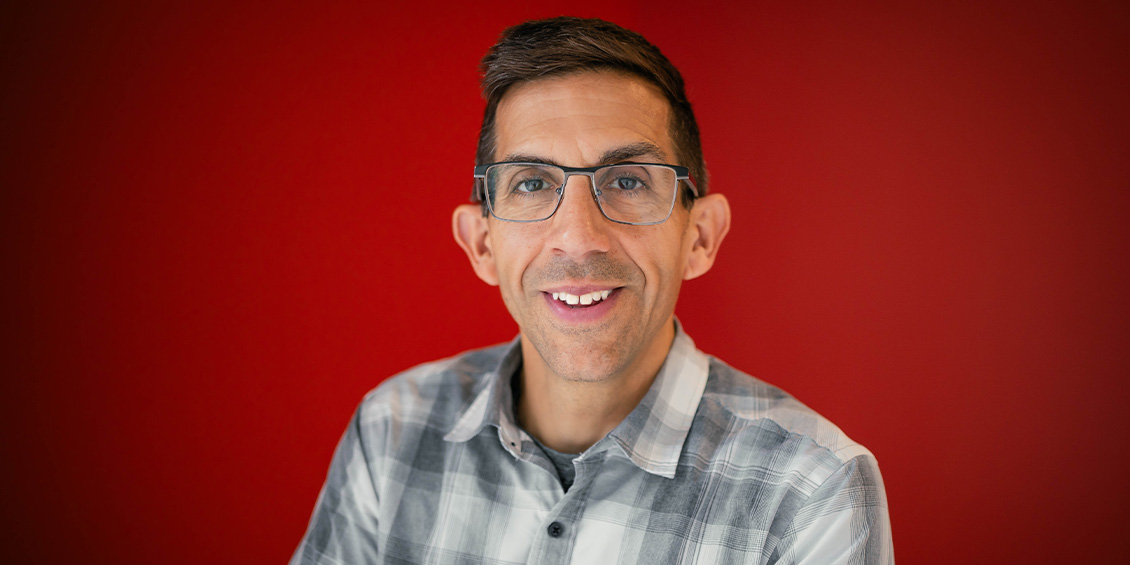
Institute Members


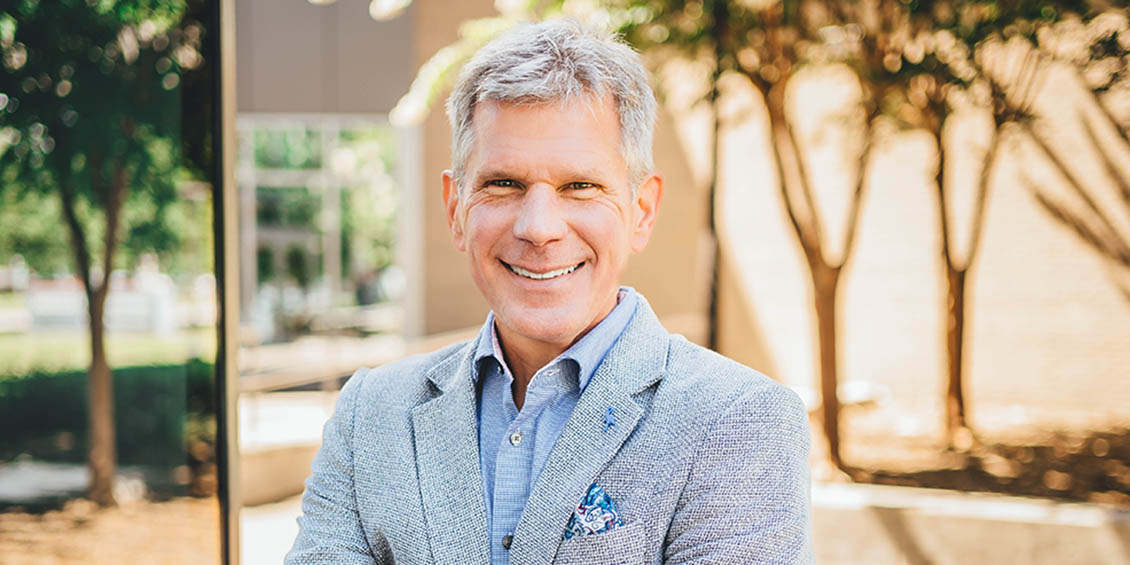
Ashok Kumar

Else and Philip Hargrove Endowed Professor of Drug Discovery and Development Director, IMBC Skeletal muscle atrophy, growth, and regeneration, satellite stem cells, cancer cachexia, signaling

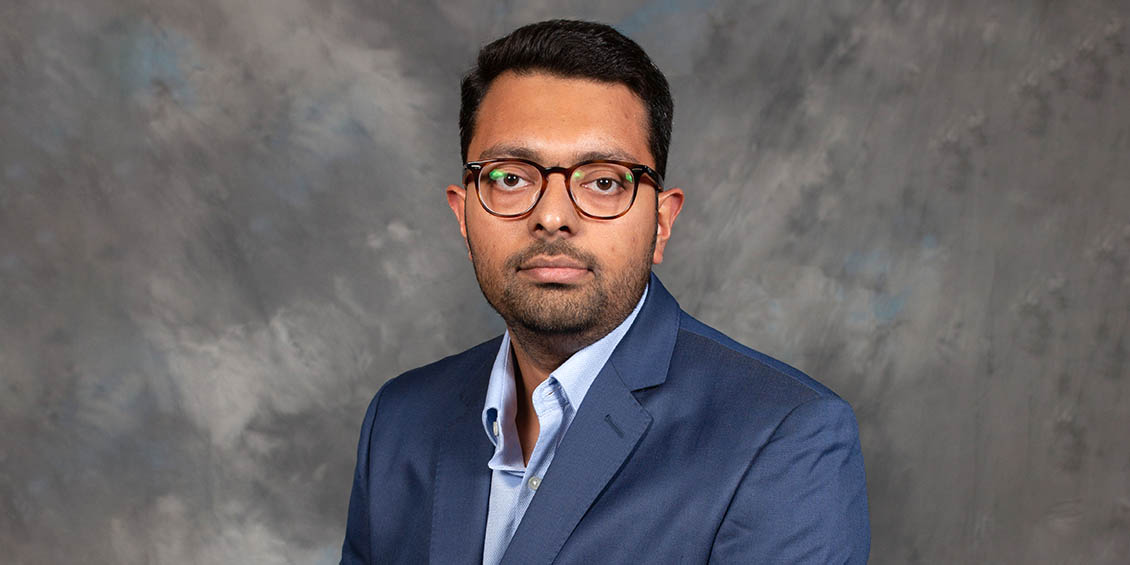
Radbod Darabi

Associate Professor, Pharmacology Associate Director, IMBC Stem Cell Biology and Regenerative Medicine, PSC differentiation, Skeletal Muscle, Gene Correction

Mark Clarke

Associate Professor, Health and Human Performance Muscle physiology, muscle adaptation to mechanical loading, cellular basis of muscle function in health and disease

Bin Guo

Associate Professor, Pharmaceutics Cancer biology, cancer pharmacology, drug delivery, drug discovery

Marc Hamilton

Professor, Health and Human Performance/Biology and Biochemistry Muscle physiology, metabolism

Zhengwei Li

Assistant Professor, Biomedical Engineering Novel materials, devices, and robotics

Yu Liu

Associate Professor, Health and Human Performance/Biology and Biochemistry Mechanisms of heart development and diseases

Bradley McConnell

Professor, Pharmacology Biology, physiology and pharmacology of cardiac contractility and function

Anirban Roy

Research Assistant Professor, Pharmacology Skeletal muscle hypertrophy and atrophy, muscular dystrophy, muscle regeneration and muscle metabolism

Robert J. Schwartz

Hugh Roy and Lillie Cranz Cullen Distinguished Professor, Biology and Biochemistry Molecular Development and Drug Discovery

Ravi Singh

Assistant Professor, Pharmacology RNA biology, alternative splicing, cardiac and skeletal muscle metabolism, aging, mouse genetics

Alexander Statsyuk

Associate Professor, Medicinal Chemistry Tissue Specific Drug Discovery

Moosa Tatar

Assistant Professor, Pharmaceutical Health Outcomes and Policy Biostatistics, health economics, health policy, health services research, simulation and modeling

Meghna Trivedi

Professor, Pharmacy Practice and Translational Research/Pharmacology Target & drug discovery in cancer, cellular & circulating biomarkers, individualization of therapy

Theodore Zderic

Research Assistant Professor, Health and Human Performance

photo of MBCC speakers and attendees

Muscle Biology & Cachexia Conference

The inaugural Muscle Biology and Cachexia Conference was held May 18-20, 2025, at UH's Student Center South, drawing nearly 300 researchers, trainees, and industry representatives from multiple states and countries. The conference focused on skeletal and cardiac muscle biology, muscle stem cells, exercise physiology, cancer, and cancer-associated cachexia to share insights and establish collaborative relationships.

Featuring keynote and plenary presentations by leading researchers, the conference provided opportunities for trainees to showcase their findings during poster sessions and short talks and compete for presentation awards. Read the news release on the 2025 event.

More about the Conference

Mission & Goals

The IMBC will be dedicated to advancing innovative scientific research, strengthening grant applications to secure extramural funding, and serving as a hub of interdisciplinary collaboration by engaging students, early-stage investigators, and senior investigators of various scientific backgrounds to understand the basic mechanisms and develop novel therapeutics for muscle wasting, cancer, cachexia, and various neuromuscular disorders, including muscular dystrophy.
The mission of the IMBC will be addressed through the following goals:
a. Lead distinctive and cutting-edge research focused on discovering new drug targets for prevention of muscle loss in conditions like cancer cachexia, sarcopenia, heart failure, and muscular dystrophy.
b. Develop state-of-the-art core facilities to empower research excellence in muscle biology, cachexia, and neuromuscular disorders.
c. Foster a robust research-training program for students and early-stage investigators about muscle biology, cachexia, and muscle disorders in the city and state.
d. Cultivate interdisciplinary collaborations with UH faculty, Texas Medical Center researchers and clinicians, Texas A&M, UTMB, and other state and national universities in order to advance the mission of the institute.
e. Organize annual symposia/conference to highlight research advancements and promote educational initiatives of UH.
f. Develop and provide teaching opportunities for graduate students and post-doctoral fellows to help them become next generation educators and researchers in these areas.
g. Develop community outreach programs to educate patients suffering from cachexia and neuromuscular disorders, raise public awareness, and organize fund-raising activities to support IMBC’s activities.