Access to Care


Access in Action

Cafécitos

Cafécito is a monthly community event where the Humana Institute team connects with older adults over coffee to share conversations on health and wellness. Each session features practical tips, interactive discussions, activities and educational topics including diabetes and nutrition, mental wellness, heart health, and healthy aging. Hosted in partnership with the Humana Institute and CenterWell, Cafécito provides a welcoming space to sip, learn, and thrive—one cup at a time.


Discover more about Cafécitos impact.

Expanding Access to Care through a Nurse-Managed Clinic for Homeless and Working Poor Populations

This study evaluated the feasibility and acceptability of a nurse-managed primary care clinic designed to serve people experiencing homelessness and poverty over three years. Homeless individuals face disproportionately high rates of chronic illness and low engagement with traditional primary care, contributing to poor health outcomes. Nurse-managed clinics, led by nurse practitioners, offer an innovative model to improve access to care for marginalized populations, addressing access to care gaps in resource poor communities.

See summary >>

Using AI to Improve Pain Assessment in Sickle Cell Disease

This project evaluates an AI-guided conversational tool to improve how pain is assessed in adults living with sickle cell disease (SCD). Because SCD pain is complex and often inadequately captured by traditional paper questionnaires, the study examines whether a conversational, empathetic, and patient-centered digital platform (Redeem Care PRO) can collect more complete, reliable, and meaningful patient-reported outcomes. Dr. Ononogbu and her team are comparing AI-based pain assessments with standard paper surveys while also evaluating patient comfort, trust, and perceived empathy. Findings will help determine whether conversational AI can enhance engagement, reduce patient burden, and support more equitable, scalable, and patient-centered approaches to pain measurement in SCD, ultimately strengthening both clinical care and research.

Eye Screening as a Gateway to Primary Care

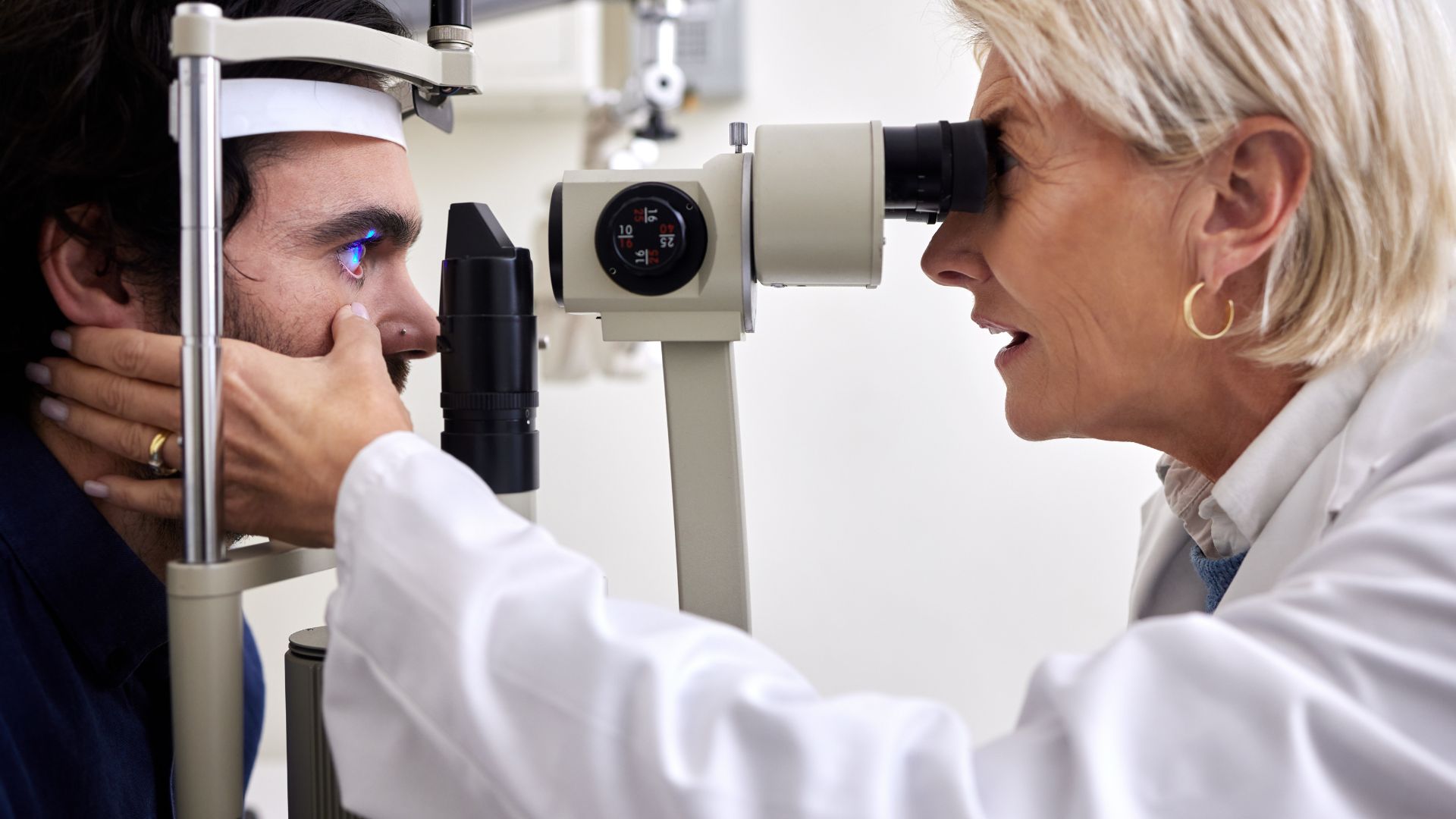
The UH College of Optometry and the UH Family care center are conducting a pilot project which placed a retinal camera in the family clinic to screen for eye disease and facilitate referrals to UH Eye Care for services. The purpose of this project is to facilitate closer collaboration and communication between the family care clinic and the eye care clinics. The retinal camera will provide an efficient way to screen and identify patients at risk for diabetic eye disease and other causes of vision loss due to chronic and acute diseases. Currently we are providing eye care services to 15 patients per month. We estimate that this project will likely double the number of referrals for eye care services and further develop the processes for coordinating care between these two service units.  

Optometry-led Diabetes Eye Screening

Over the past year, a pilot project was conducted, which placed a retinal camera in the family clinic to screen for eye disease and facilitate referrals to UH Eye Care for services. The purpose of this project is to facilitate closer collaboration and communication between the family care clinic and the eye care clinics. The retinal camera will provide an efficient way to screen and identify patients at risk for diabetic eye disease and other causes of vision loss due to chronic and acute diseases. Currently we are providing eye care services to 15 patients per month. We estimate that this project will likely double the number of referrals for eye care services and further develop the processes for coordinating care between these two service units.

SMART

SMART (Supporting Medically Vulnerable Older Adults Regarding Telehealth)  examines how telehealth can support older adults with Type II diabetes in managing their health more effectively. Through the use of telehealth kits and participant feedback, the study seeks to identify and reduce barriers to care, enhance diabetes management, and promote better health outcomes in underserved communities.

DCSI

The DCSI (Diabetes Complications Severity Index) measures the number and severity of diabetes-related complications, helping guide care and improve outcomes. Our team is developing a prediction tool that will identify those at risk for high DCSI scores. This study aims to quantify the costs of type 2 diabetes, and identify patients who would benefit from additional support.

Addressing Homelessness in Houston

Ben King, Ph.D., M.P.H., whose work focuses on individuals experiencing homelessness has partnered with the Houston Coalition for the Homeless as part of his research efforts.

Learn more about the Homelessness Reports.

Climate Health Lab

Omolola E. Adepoju, Ph.D., M.P.H. collaborates with community stakeholders to improve disaster preparedness and response in Houston. Her current grant develops a multisectoral partnership to design a geospatial-photoethnography dashboard that chronicles the impact of successive disaster events on the physical and mental health outcomes.

Cuney Homes Redevelopment Project

Institute members have also participated in the Cuney Homes Redevelopment Project in collaboration with the Houston Housing Authority and City of Houston, with Dr. LeChauncy Woodard co-leading the health task force with Dr. Dan Price and Cuney Homes residents.

placeholder

Improving Blood Pressure Monitoring

The Humana Institute partnered with the American Heart Association to provide education, blood pressure monitoring equipment, and healthy food options to families in the local community.